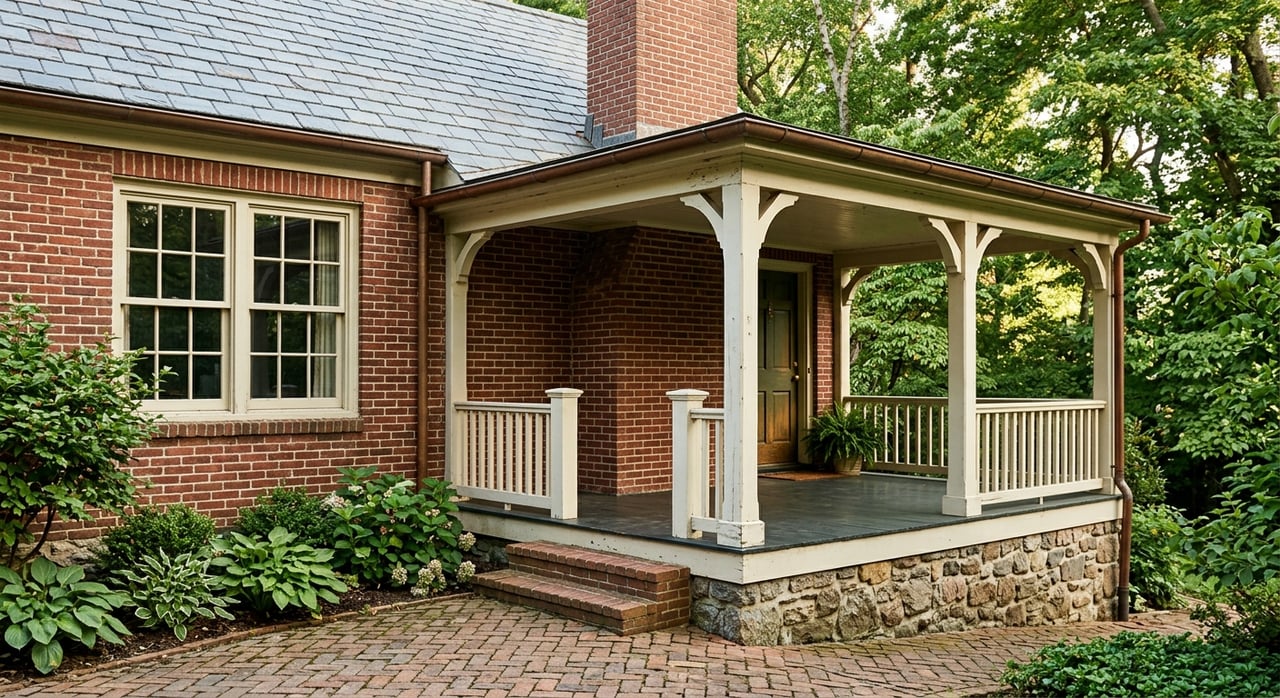
If you love charm, mature streetscapes, and homes with real personality, buying an older home in East Grand Rapids can feel like the perfect fit. It can also come with more moving parts than buying a newer property, especially when you are weighing condition, renovation plans, and long-term costs. The good news is that with the right research and a careful plan, you can buy with more confidence and fewer surprises. Let’s dive in.
Why older homes stand out here
East Grand Rapids has a long residential history, and that shows up clearly in its housing stock. The city was first settled in 1834, incorporated in 1926, and saw major homebuilding waves in the 1920s and 1950s. According to the city’s 2026 master-plan update, 69% of housing is at least 65 years old, 27.4% was built before 1939, and only 6% was built since 2000.
That means if you are shopping in 49506, there is a good chance you will be looking at a home with decades of history behind it. East Grand Rapids describes the local mix as including older Victorians, bungalows, ramblers, and mid-century modern homes. Each style can bring a different layout, different materials, and very different repair needs.
Think home by home, not by age alone
One of the biggest mistakes buyers make is assuming all older homes come with the same pros and cons. In East Grand Rapids, that is rarely true. Two homes built in similar years may have very different electrical systems, roof conditions, insulation levels, window quality, and renovation history.
That is why it helps to look past surface charm early in the process. Original details may be a huge plus, but your buying decision should also reflect the condition of the structure, major systems, and any work you hope to do after closing.
Understand the market before you renovate
East Grand Rapids is a high-value market, which changes the way many buyers think about repairs and updates. The city reports an average 2025 sale price of $815,000 and a median sale price of $670,000. That does not mean every renovation makes sense, but it does mean improvement decisions are happening in a market where buyers often place real value on location and character.
It also means your budget needs to be realistic from day one. In an older home, cosmetic updates are only part of the picture. Invisible work like roofing, insulation, electrical, plumbing, and environmental testing can affect your real costs more than paint colors or fixtures.
Start with inspection priorities
A thorough inspection matters in any purchase, but it is especially important in an older East Grand Rapids home. You should schedule an independent home inspection as soon as you choose a property and use an inspector known for honesty and thoroughness. If possible, attend the inspection so you can ask questions in real time.
Inspection findings can shape negotiations and, in serious cases, your decision to move forward at all. Major issues such as roof failure or cracked foundations can complicate a closing and quickly change the math on a purchase.
Focus on structure and major systems
Older-home inspections should pay close attention to structural and mechanical systems. That includes the foundation, heating, ventilation, air conditioning, and electrical components. These are often the most expensive issues to correct, and some problems are not obvious during a casual showing.
If a home has been updated over time, it is also smart to ask whether those updates were done consistently and professionally. A home can look polished on the surface while still needing important systems work underneath.
Watch for lead-based paint
Lead is one of the biggest older-home concerns in West Michigan. Homes built before 1978 may contain lead-based paint, and the risk rises with age. The EPA estimates that 87% of homes built before 1940 have some lead paint, while 24% of homes built between 1960 and 1978 do as well.
Deteriorating paint on windowsills, doors, stairs, railings, and porches is a particular concern. If you are buying a pre-1978 home, you will generally receive lead-disclosure documents and have a 10-day opportunity to inspect unless you waive it. For peace of mind, certified lead professionals can perform inspections or risk assessments.
Treat asbestos carefully
Asbestos is another issue that can come up in older homes, especially when renovation is part of your plan. The only sure way to know whether a material contains asbestos is laboratory testing by a qualified professional. If asbestos-containing material is in good condition, it may be best left undisturbed, but damaged material or renovation-related disturbance needs careful handling.
This matters most when you are planning to remove flooring, open walls, update ceilings, or replace exterior materials. If a home is older and you expect to remodel, testing should be part of your planning conversation early.
Check comfort and energy performance
Many older homes have character that buyers love, but comfort can be a separate issue. Older houses may have little or no attic insulation, and poor air sealing can lead to drafts, cold spots, moisture issues, and higher utility costs. Air sealing before adding insulation can improve thermal performance and help prevent ice dams.
That does not mean an older home cannot be comfortable. It means you should budget for improvements that may not be glamorous but can make a big difference in day-to-day living.
Look closely at windows, roofs, and drainage
For character homes, windows and roofs deserve special attention. Historic windows and doors can often be repaired or upgraded, and weatherization options like storm windows, caulking, and weatherstripping may make sense before full replacement. A weathertight roof is also essential, and neglected gutters and downspouts can speed up water damage.
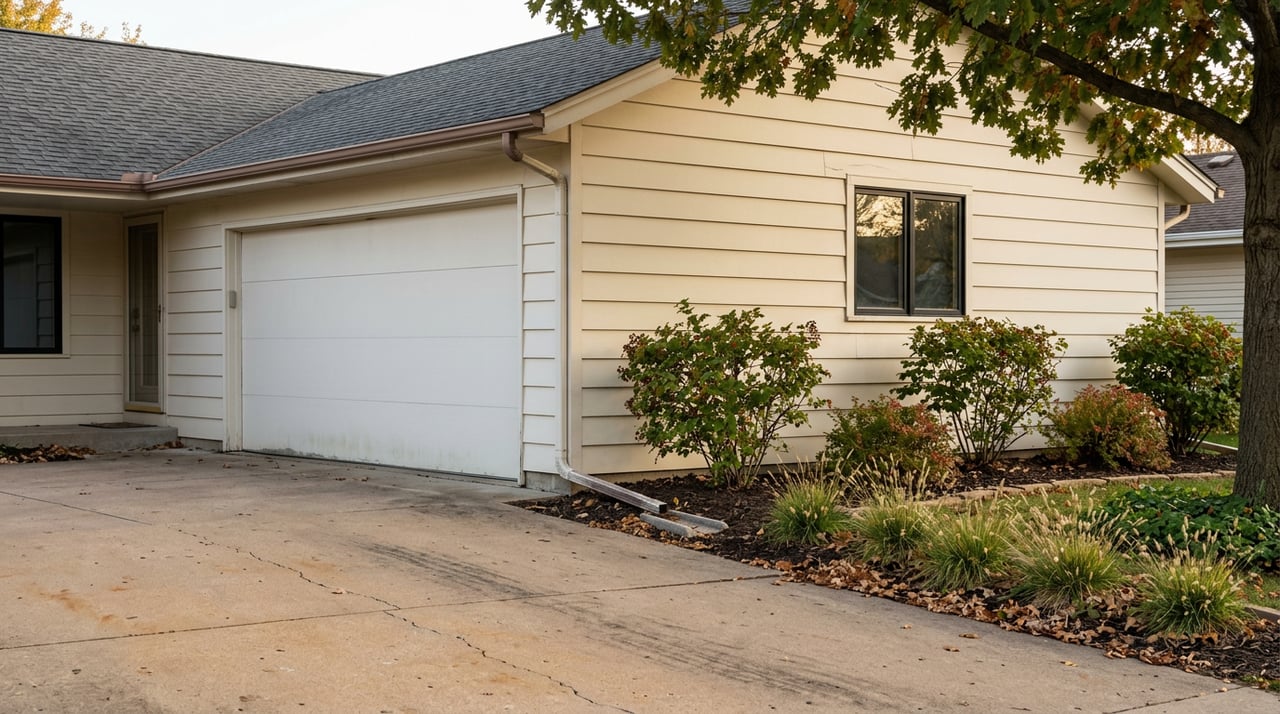
When you tour a home, pay attention to signs of deferred maintenance around rooflines, trim, drainage paths, and exterior openings. These details often affect both short-term repairs and long-term preservation.
Ask about water service lines
One very local issue worth knowing is East Grand Rapids’ ongoing lead water service line replacement work. The city says it has been replacing lead service lines citywide and that all lead pipes will be replaced whether they are on the public or private side.
As a buyer, this gives you another practical question to ask during due diligence. You will want to understand the status of the property’s service line work and how that may fit into your planning after closing.
Research the home’s history before you buy
East Grand Rapids offers unusually strong local resources for older-home research. The History Room sells compiled house histories that can include photos, articles, prior-owner records, and real estate information. The city also points buyers to blueprints, zoning variances, assessor photos, and the Grand Rapids Public Library’s architectural database.
If you are drawn to a home because of its history, this research can add context and help you understand how the property has changed over time. It may also reveal clues about previous additions, layout changes, or long-term maintenance patterns.
Know how historic district rules can affect plans
Some older homes in East Grand Rapids may fall within a local historic district. In those cases, exterior work is reviewed under a historic-district ordinance, and the local commission has design-review authority over exterior changes.
That does not mean buying in a historic district is a bad idea. It simply means your future plans for exterior updates should be reviewed early so you understand what may require approval and how that could affect timeline, cost, and design choices.
Plan for permits and zoning limits
East Grand Rapids has a permit-heavy renovation process, and that matters for buyers who want to update a home after closing. The city says permits are required for most home-improvement projects, including roofing, siding, window replacement, interior remodeling, and water-service or sewer work. Permits go through zoning and drainage review before being forwarded to Cascade Township Building Inspection Services for building, mechanical, electrical, and plumbing review.
You should also know that many established neighborhoods were created before zoning. Because of that, some lots are smaller than current minimums and may be nonconforming. That can limit additions, garages, patios, and accessory structures.
Verify past work and future options
Before you close, ask whether prior updates were permitted and whether your own plans are likely to fit current zoning. A buyer may assume there is room to add on, build a garage, or create another outdoor structure, only to learn later that lot conditions make that difficult.
In a built-out city like East Grand Rapids, expansion potential should be evaluated before closing, not after. This is one of the most important steps if you are buying with renovation in mind.
Build a more realistic budget
When you buy an older home, your budget should go beyond the sale price and your monthly payment. You should account for maintenance, repairs, utilities, and emergency savings. Closing costs also typically run about 2% to 5% of the purchase price.
In East Grand Rapids, a practical older-home budget should also include items like roof repair, insulation upgrades, windows, electrical or plumbing work, and possible lead or asbestos mitigation. Permits and contractor costs should be part of the plan too.
Keep a contingency reserve
Older-home projects often cost more than expected. One useful benchmark comes from renovation loan guidance that uses a contingency reserve of at least 10% of the renovation cost, or 15% if utilities are not operable. That is not a universal homeowner rule, but it is a helpful reminder that surprises are common once work begins.
If you are stretching to buy the home itself, be careful about assuming you can absorb repairs later without stress. A reserve can protect your comfort and your decision-making after closing.
Choose contractors carefully
If substantial work is ahead, contractor planning matters almost as much as the inspection. It is wise to get at least two to three written estimates, ask for references, and check contractor license or registration numbers with the appropriate state or county authority.
In a market with older homes and frequent renovations, good contractors stay busy. Starting that research early can help you better understand timing, pricing, and what is realistic in your first year of ownership.
What buying an older home really means
In East Grand Rapids, buying an older home often means buying character, location, and long-term potential. It also means doing more homework than you might with a newer property. Age alone is not the issue. The real question is how well the home has been maintained, what you can realistically improve, and whether the total cost still fits your goals.
With the right guidance, an older home can be a smart and rewarding purchase. If you want help evaluating condition, asking the right due-diligence questions, and planning your next move in West Michigan, connect with Jake Peterson Homes.
FAQs
What is the age of housing in East Grand Rapids?
- East Grand Rapids has an older housing stock, with the city reporting that 69% of homes are at least 65 years old, 27.4% were built before 1939, and only 6% were built since 2000.
What home styles are common in East Grand Rapids?
- The city describes the local housing mix as including older Victorians, bungalows, ramblers, and mid-century modern homes.
What should you inspect first in an older East Grand Rapids home?
- Your inspection should focus on structure, foundation, heating and cooling, electrical systems, roof condition, windows, drainage, lead-based paint, asbestos concerns, and water service line status.
What renovation limits can affect older homes in East Grand Rapids?
- Some lots may be nonconforming because many neighborhoods were created before zoning, which can limit additions, garages, patios, and accessory structures.
What permits are commonly needed for older-home updates in East Grand Rapids?
- The city says permits are required for most home-improvement projects, including roofing, siding, window replacement, interior remodeling, and water-service or sewer work.
What local resources can help research an older East Grand Rapids house?
- Buyers can use the East Grand Rapids History Room for house histories and local records, along with city sources for blueprints, assessor photos, and related property information.